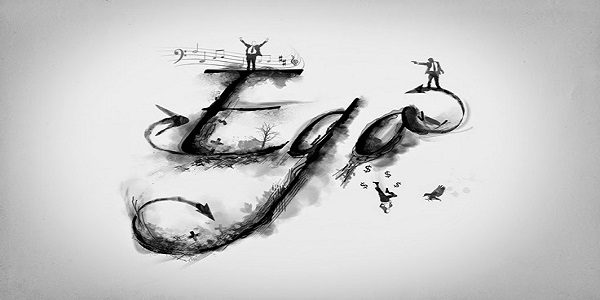
Transpersonalism: Ego Meets Soul by James E. Strohl, Ed.D.
Journal of Counseling & Development, Fall 1998, Vol. 76, pp. 397-403.
Over the last few decades, the transpersonal approach has emerged from mainstream psychology to address the effects of spirituality and consciousness on personal transformation and health and to explore the optimal levels of human functioning. Despite its increasing popularity, many mental health professionals lack basic knowledge of the transpersonal approach. This article provides an introduction to an overview of the historical development, scientific basis, philosophical stance, theoretical principles, and clinical methods of transpersonal psychology
For more than 25 years, increasing numbers of mental health practitioners have been using a therapeutic approach associated with a school of psychology known as transpersonal psychology. Transpersonal psychology was called the “Fourth Force” psychology by Abraham Maslow in 1 968. It has emerged from mainstream psychology and religious studies as the branch of psychology that studies states of consciousness, identity, spiritual growth, and levels of human functioning beyond those commonly accepted as healthy and normal (the ”beyond” emphasis is a key, distinguishing characteristic of transpersonalism).
Although transpersonal psychology has been in existence since the late 1960s, many mental health professionals do not fully understand its philosophy, theoretical principles, and the clinical methods that distinguish transpersonal psychology from other major psychotherapeutic schools.
Transpersonal psychology draws heavily on the traditional psychological principles and techniques of “First Force” (psychoanalytic), “Second Force” (behavioral), and “Third Force” (humanistic) psychologies while attempting to expand these areas to include the study of transpersonal experiences. Transpersonal experiences involve the expansion of consciousness beyond the usual limits of ego and personality, and beyond the conventional limitations of space and time.
Transpersonalism is more than a model of personality. Transpersonal theorists consider personality as only one aspect of our total identity and not even the central facet of our total psychological nature. To view transpersonal psychology as “an inquiry into the essential nature of being” is accurate (Walsh &Vaughan, 1980, p. 16). Exploring the ultimate capacities and potentialities of humankind is important to the transpersonal counselor.
DEFINITION
The term transpersonal means beyond (trans) the personal, ego or self. Carl Jung (1917/1953) first used the term transpersonal unconscious as a synonym for collective unconscious. Since the inception of transpersonalism in the late 1960s, many different definitions have been proposed. The abstract subject matter, subtle context, wide scope of transpersonalism, and the state-dependent nature of transpersonal experiences make it difficult to devise an acceptable, precise definition of transpersonalism.
In 1992, after completing a comprehensive survey of the literature, Lajoie and Shapiro undertook the formidable task of generating a precise, consensual definition of transpersonalism. Lajoie and Shapiro identified 30 distinct themes among the myriad existing definitions of transpersonal psychology. The 5 most frequently occurring themes were states of consciousness, highest or ultimate potential, beyond ego or personal self-transcendence, and spiritual. They found these themes useful in synthesizing the following precise definition of transpersonal psychology:
Transpersonal psychology is concerned with the study of humanity’s highest potential, and with the recognition, understanding, and realization of unitive, spiritual, and transcendent states of consciousness. (p. 91)
To date, Lajoie and Shapiro’s definition qualifies as one of the most accurate and succinct characterizations of the comprehensive field of transpersonalism. For a detailed account of the many definitions and descriptions of transpersonal psychology (dating from Maslow’s 1968 introduction of the term) see Lajoie and Shapiro (1992).
HISTORICAL REVIEW: THE EMERGENCE OF TRANSPERSONALISM
The seminal effort in the study of consciousness in Western psychology was provided by American psychologist William James at the turn of the century (Capra, 1992; Leahey, 1994). James is well documented as having an avid interest in spiritualism and psychical research that set him apart from the majority of his colleagues (Coon, 1992). For many decades most Western psychologists chose to avoid direct introspective studies of consciousness in favor of the positivistic view that knowledge is limited to observable facts (Leahey, 1992). During this period, behaviorists performed large numbers of experimental studies and were unsuccessful in their attempts to formulate a comprehensive theory of human behavior. In the 1930’s; after being exposed to phenomenological and pre- existential European models, Gordon Allport and Henry Murrary helped create a psychology of personality that opposed the prevailing behavioral perspective (Cahan &White, 1992; Triplet, 1992). In the 1940s and 1950s, personality theorists’ rejection of the mechanistic premises of behaviorism and biological reductionism of classical psychoanalysis led to the beginning of a post—World War II personality psychology. This personality psychology became the basis from which humanistic psychology emerged.
In 1954, Abraham Maslow initiated the first formal organization of individuals interested in humanistic psychology. This group grew rapidly, establishing the Journal of Humanistic Psychology in 1958 and soon thereafter forming the American Association for Humanistic Psychology (Sutich, 1961).
Humanistic psychology was officially launched by the American Association for Humanistic Psychology at a 1964 conference at Old Saybrook, Connecticut, that was attended by theoreticians, researchers, and authors from a variety of disciplines (Bugental, 1965).This conference included personality theorists Carl Rogers, Abraham Maslow, and Rollo May, who became the intellectual leaders of the humanistic movement (Kendler, 1987). The humanistic movement emerged to focus on personal growth and health versus pathology (Bugental, 1964). It emphasized the development of human potential through direct experience versus intellectual analysis or behavior modification. The humanistic perspective assumes that people are essentially constructive, able to make choices, and will inherently self-actualize given the proper environment.
By the late 1960s, mounting data about the farther reaches of health and possible experiences available to humankind exposed limitations and gaps in the humanistic model. A proliferation in the use of consciousness-altering techniques; such as meditation, yoga, psychedelic drugs, and biofeedback, fostered an appreciation of transcendent experiences and developed a professional interest in the study of states-of-consciousness (Boss, 1980; Cleary & Shapiro, 1995). It is at this historical juncture that some humanists developed a new approach, that is, transpersonalism.
Although affirming the humanistic perspective, Abraham Maslow, Anthony Sutich, Stanislav Grof, and other humanistic leaders recognized the need to expand the concept of self-actualization to include more extraordinary and transcendent capacities of humankind (McDermott, 1993; Peterson & Nisenholz, 1995). Their attention to spiritual development and emphasis on personal experiences beyond conventional ego boundaries revealed to these transpersonalists a worldview similar to that of ancient Eastern mystics. They began integrating the philosophies of the classical Asian traditions of Zen Buddhism, Taoism, and Yoga into their theory and practice (Cleary & Shapiro, 1995). From their efforts arose the transpersonal movement that considered states of consciousness and levels of human functioning that were previously undreamed of by mainstream psychology (Walsh, 1993).
In some respects, Western psychology has evolved through stages resembling the ontogenetic psychological development of human beings. Figuratively speaking, it is as if psychology’s progression through successive stages emphasizing instincts and unconscious drives (psychoanalysis), environmental influences (behaviorism), self-determination and free choice (humanism), and transcendence and spirituality (transpersonalism) resemble the stages of psychological growth and development a healthy person encounters. The study of the “self” has progressed from concentrating on controlling and regulating the self (psychoanalysis and behaviorism), to valuing the self (humanism), and ultimately to know the full possibilities and transcendence of the self through direct experiencing.
The history of Western psychology can be appreciated in the changes that have occurred in its directional focus. In this regard, psychoanalysis looks back, behaviorism looks at, humanism looks forward, and transpersonal psychology looks inward (and thus beyond one’s boundaries).
THE CONVERGENCE OF EASTERN RELIGIOUS PHILOSOPHIES AND MODERN SCIENCE
Early on, the leaders of the transpersonal psychology movement became aware that modern Western science was also substantiating the experiences and states of mind described for thousands of years by the classical philosophical and religious traditions of the Far East. Many years before the inception of transpersonal psychology, twentieth-century physics demonstrated the limitations of classical physics and radically challenged the traditional concepts of matter, space, time, and causality (Capra, 1991; Kaku &Trainer, 1987).
Remarkable parallels exist between modern physics and the Eastern religious philosophical writings of Hinduism, Buddhism, and Taoism (Capra, 1991). The Vedas of Hinduism, Buddhist sutra, and 3,000-year-old I Ching of the Chinese all espouse a worldview that is similar to that of modern physics and that bears an uncanny resemblance to the perspective held by transpersonal thinkers.
For thousands of years, Eastern mystics have held an intrinsically dynamic view of the world. This includes an acute awareness of the unity of all reality and the interconnection of space and time. Buddhists, for example, have always conceived an object as an event and not a thing or substance (Bercholz & Kohn, 1993; Ericker, 1995; Suzuki, 1 968). These ancient, religious philosophical beliefs show an amazing likeness to the current ideas expressed by modern physics and transpersonal psychology.
Eastern mystics have essentially rejected science’s mechanistic view of the world that is rooted in Greek atomists philosophy and opposed Descarte’s dualistic philosophy, which separates mind and body into distinct entities. These perspectives are now also challenged by two basic theories of modern physics, quantum theory and relativity theory (Dewey, 1993; Zohar, 1990).
Modern quantum theory abolished the idea that objects are fundamentally separated and view the entire universe as an interconnected web. Quantum theory exposed the dynamic interaction between the observed and the observer (Capra, 1991; Kaku &Trainer, 1987; Zohar, 1990). It showed that tiny particles of energy that are being observed are influenced by the observer. This confirmed the Eastern concept that humans are participants informing the world and not simply observers—a view that has increasingly gained ground in counseling over the years (Ginter & Bonney, 1993).
Relativity theory has made the interconnected web of quantum theory come alive by revealing It’s intrinsically dynamic nature. Relativity theory (Capra, 1991; Dewey, 1993) has shown that space is not three dimensional and that time is not a separate entity. The unification of space and time has exposed a fourth dimension called “space-time.” Because of this space-time modification, mass is no longer solely associated with the material substance. At a subatomic level, mass is viewed as bundles of energy without material form. These bundles of energy are associated with ever-changing process and activity.
It is striking how these developments in science parallel the historical development of modern psychology. Modern subatomic physics is exposing the limitations of classical physics’ view of reality by using principles and concepts that form the basis of transpersonalism’s expanded view of human nature. The intrinsically dynamic nature, harmonious unity, and interconnectedness of all things and events are recurring themes in the worldview of both modem physics and transpersonalism.
Together, classical physics and modern subatomic physics furnish a fuller understanding of the fundamental aspects and manifestations of the world. Just as these sciences complement each other, so do traditional and transpersonal psychologies complement one another. Together they provide a broader understanding of the dynamics of consciousness and of the many facets of human functioning.
PHILOSOPHICAL ASPECTS OF TRANSPERSONALSM
Transpersonalism is an approach that does not challenge or supplant other models, but it respectfully considers an expanded view of human nature while Incorporating elements of behaviorism, psychoanalysis, humanistic psychology, Jungian analysis, and Eastern psychology. Transpersonalism’s distinction from other models rests on transpersonalism having a fundamental difference in its philosophical worldview (McDermott, 1993).
The assumptions underlying the transpersonal perspective presuppose a philosophical worldview that is romantic in nature. McDermott (1993) noted that transpersonalism can be accurately depicted as a participatory epistemology that philosophically shares the worldview of eighteenth and nineteenth-century romantic artists and thinkers such as Goethe, Coleridge, and Emerson.
Romanticism and transpersonalism share a vision of humankind that affirms the internal, transformational qualities and transcendent realities of human beings and promotes an experiential approach to learning and knowledge. Both affirm humankind’s kinship with the cosmos and view humans as dynamic participants in nature and not residing outside of nature. McDermott (1993) believed that the philosophical mindset of the transpersonalists parallels the romantic notion that productions of human minds do not emanate from a human source but are expressions of infinite mind and spirit, coming through a person from the deepest realm of nature, a universal consciousness.
McDermott (1993) encouraged transpersonal thinkers to enhance and build on the romantic’s participatory theory of knowledge. According to McDermott, the success of transpersonalism will depend on how effectively it cultivates and articulates its romantic epistemology.
Today’s models can also be classified according to their fundamental assumptions about the nature of existence. Four major paradigms emerge in this classification system. These four distinct philosophical positions are represented by reductionism, humanism, dualism, and monism (Ajaya, 1997).
Reductionistic thinkers understand existence by breaking down a phenomenon into its smallest material components. Consciousness is considered by reductionists to be the result of the interaction of material substances.
The humanistic paradigm emphasizes the value and dignity of each individual as a unique entity that cannot be fully understood by reducing the human experience into smaller primitive component parts. Humanistic models reject the subhuman emphasis of reductionism and stop short of acknowledging the type of transcendent or superhuman levels of consciousness proposed by the dualistic and monistic paradigms.
Dualistic models accept the existence of a consciousness that transcends normal human experience. The dualistic paradigm considers experience to be the result of a complementary interaction of the two primary principles of material phenomena and consciousness. Dualists believe that a material bound being is never able to comprehend fully the unbounded, transcendent nature of consciousness.
The monistic paradigm considers all phenomena to be creative, illusory expressions of a primary unified field of consciousness. This level of pure consciousness is believed to be the fundamental source of all that exists in the phenomenal world including human experience itself. Monistic psychology believes that humans can reach an awakened state of unity consciousness where the traditional concepts of space, time, isolated objects, and cause and effect lose their meaning.
Mainstream modern psychology typically embraces the reductionistic and humanistic paradigms. Maslow, Jung, and others formed a bridge allowing Western psychology to migrate philosophically into the dualistic and monistic realms.
The first and second force psychologies of psychoanalysis and behaviorism are reductionistic models. They reflect back on cumulative causative factors and observe current behavioral manifestations. Third force humanistic approaches look forward at growth, evolution, and the development of human potentialities. The humanistic paradigm can be viewed as a transitional link between the reductionistic paradigm and the more spiritual, transcendent-based dualistic and monistic models.
Transpersonalism, the fourth force, encompasses both the dualistic and monistic models. The dualistic perspective is exemplified by Jungian psychology general systems theory and pastoral counseling models. These dualistic approaches portray all polarities as complementary, harmonious entities and place emphasis on reconciling the Interaction of the divine and human qualities of humankind.
Monistic psychology is devoted to turning inward toward one’s deeper nature. This represents an involution or unfolding process that uncovers one’s true source of being and the underlying unity of all existence. Monism’s inward focus contrasts starkly with the backward reflection of reductionism and the forward, growth, and evolution focus of humanistic and dualistic psychologies.
A monistic model posits that individuals can release themselves from the illusory restrictions imposed by the physical world and achieve a psychological state that recognizes the universal consciousness underlying all of creation. In this state, one realizes the true source of one’s identity and is freed of the boundaries and limitations of time, space, and causality.
The reductionistic, humanistic, dualistic and monistic paradigms each build on the framework of the previous paradigm. All four paradigms address a distinct, valid aspect of existence. Each subsequent paradigm comprehends the reference points of the preceding paradigm while also recognizing expanded levels of human functioning.
Monism can be understood as representing the most comprehensive perspective while accommodating the more circumscribed reductionistic, humanistic and dualistic frames of reference. Monists use reductionistic, humanistic, and dualistic principles when dealing with the structure and form of the phenomenal world while concurrently recognizing both the illusory quality of the corporeal universe and the unity underlying all of creation.
Similarly, transpersonalism builds on the framework of earlier psychological paradigms. Transpersonalism does not replace but encompasses and supplements the first, second, and third force psychologies of psychoanalysis, behaviorism, and humanism (Wilber, 1993).Transpersonal psychology acknowledges that psychoanalysis, behaviorism, and humanism each emphasizes a legitimate area of human functioning and that each is important for understanding and functioning within a particular sphere of life. Finally, transpersonalism is eclectic in nature because it incorporates all three viewpoints while also focusing on expanded human qualities previously ignored by the other three branches of psychology.
TRANSPERSONAL COUNSELING
Contemporary psychotherapy embraces many types of interventions that can be placed into three broad categories (Walsh, Elgin, Vaughan, & Wilber, 1980; Wilber, 1977). The first level consists of traditional therapeutic interventions that focus on strengthening the ego, reducing pathology, and promoting adjustments to the norm. The second or existential level consists of contemplating issues of existence, meaning, and purpose of life, and examining one’s unique response to these subjects. The third level is the soteriological level or mind level. At this level, one transcends ego identification, identifies with the transpersonal self, and experiences a sense of unity and interconnectedness with all of existence.
The principal aim of the soteriological level is enlightenment, freedom, liberation, and what is termed “salvation” by Christians, “nirvana” by Buddhists, and “samadhi” by Hindus. Western thought has typically focused on the first two levels, whereas the. soteriological state of consciousness is the ultimate goal of transpersonal therapies.
It is very important to note that transpersonal counseling does not exclusively focus on transpersonal issues of the soteriological level. Transpersonal counselors facilitate the development of a stable, cohesive ego, and the exploration of the existential self. However, they view these processes as incomplete and believe people cannot be whole until they awaken to the deeper levels of human existence (Wittine, 1993). The transpersonal approach stresses the importance of effectiveness in ordinary life but warns against identifying with it as the ultimate definer of human potentials. Therefore, transpersonal counselors promote the greater potentials available to those who have already achieved a satisfactory level of everyday functioning.
The ego or personality is viewed by transpersonal counselors as the outer expression of one’s greater multidimensional self and as only one facet of one’s total identity. But, ego strengthening is believed to be a prerequisite to transcendence. Once adequate ego strength is established, transpersonal counselors use traditional and nontraditional techniques to reduce the blocks within the limited ego self to unleash the unlimited potential of the greater self. The overriding therapeutic objective is to disidentify from the restrictions of the ego personality and to align the personality with the total self, to facilitate a more congruent, functional expression of one’s existential nature (Ajaya, 1997; Lajoie & Shapiro, 1992).
Interventions of transpersonal counselors are less intellectual and more experiential than many of the other existing approaches. The aim of such interventions is to promote transcendence of the conscious mind, enabling it to explore the unconscious and reveal a deeper (transpersonal) level of being called the “higher self,” “true self’ or “inner self” (Rama, Ballentine, & Ajaya, 1979; Williams, 1980; Wittine, 1993). A basic assumption of transpersonalism is that this deeper level cannot be encountered by intellectual analysis alone. An expanded sense of identity including a deeper sense of wholeness, relatedness, and connectedness is said to be realized when one lets go of their ego-centered perspective (Vaughan, 1980). Accompanying this enlarged sense of identity is an enhanced feeling of personal freedom, fuller range, and depth of emotions heightened a sense of serenity and increased access to intuitive resources (Cleary & Shapiro 1995; Vaughan, 1980). The accounts of people experiencing these expanded states of awareness agree in that these experiences are beyond the power of words to describe (Walsh & Vaughan, 1993b).
Wilber (1980) pointed out that transpersonal interventions are based on the position that logical analysis and philosophical reasoning are limited and that direct, nondualistic experience is necessary for true understanding of one’s deepest nature and of the world, This perspective corresponds with Eastern mysticism’s and quantum physics’ appreciation of the inadequacy of dualistic, analytical, and inferential knowledge and the recognition of a direct, intimate mode of knowing that does not separate the subject and object – the knower and the known. Specifically, counselors frequently facilitate growth and change through the use of techniques such as meditation, contemplation, intuition, yoga, biofeedback, breath training, inward focusing, visualization, dreamwork, and guided imagery (Ajaya, 1997; Boss, 1980; Hutton, 1994).
Because their work is based on the premise that the mind, body and spirit function as a harmonious unit, transpersonal counselors are recognized as holistic practitioners. Their approach takes into account all aspects of life, including sleep, exercise, diet, nutrition, rest, leisure activities, body posture/movement, and work. Their clinical repertoire is essentially unlimited in its range and scope. Traditional counseling techniques are often combined with nonconventional interventions like bodywork, isolation tanks, journal keeping, hypnosis, prayer, silence, solitude, awareness exercises, chanting, drumming, movement therapy, energetic techniques, and mind-body disciplines such as hatha yoga and tai chi (Ajaya, 1997; Vaughan, 1993; Walsh & Vaughan, 1993a).
Hutton (1994) reported that research data show that transpersonal counselors tend to be less exclusive and frequently more eclectic than counselors from other schools. In Hutton’s study, transpersonal therapists reported using more approaches than other therapies and were more synthesizing in their approach than psychoanalytic and behavioral-cognitive therapists. Transpersonal counselors were (a) similar to behavioral-cognitive therapists in their use of behavioral-focused visualization, biofeedback, and relaxation; (b) similar to psychoanalysts in their use of intuition and dreamwork; and (c) significantly different from both groups in using meditation techniques, using guided imagery with a spiritual focus, and recommending spiritual books to clients.
Hutton (1994) also found that behavioral-cognitive therapists, psychoanalysts, and transpersonal therapists were equally committed to the belief that it is important for a psychotherapist to be firmly grounded in traditional theories and techniques of psychotherapy. The importance of making well-informed decisions regarding the appropriate choice of personal versus transpersonal interventions has always been emphasized by transpersonal therapists (Boss, 1980; Walsh & Vaughan, l993a; Wittine, 1993). This value was decisively Stated by transpersonal leader Sylvia Boorstein (1996) in an article warning fellow transpersonal therapists against the zeal of focusing on the transpersonal realm at the expense of overlooking relevant personal, psychodynamic issues.
Whereas transpersonal counselors are eclectic in their clinical strategies, it is the transpersonal context created by their beliefs, values, intentions, views of human nature, and spiritual worldview that best distinguishes their transpersonal orientation (Boss, 1980; Vaughan, 1980). The greatest differentiation between transpersonal counselors and other therapists is neither their techniques nor the presenting problems of their clients but the orientation, scope, and spiritual perspective of the therapist (Wittine, 1993).
Despite their similarities with other therapists, empirical data show that transpersonal counselors significantly differ from both psychodynamic and behavioral-cognitive practitioners in their relatively greater amount of spiritual practice, in overall spiritual experiences, and in their belief that spiritual issues are relevant to psychotherapy (Hutton, 1994). Jacquelyn Small (Miller, 1996), noted transpersonal leader, described those who embody the transpersonal orientation as “practical mystics” who live with an open heart and hold a bigger picture by bridging the timeless world with the concrete, everyday world. According to Small, practical mystics know that we are both spirit and matter, mind and body and that every part of us is divine. Transpersonal author and yoga psychotherapist Swami Ajaya (1997) submitted that “all human suffering is ultimately the result of spiritual impoverishment, that is, nonawareness of our transcendent being” (p. 282). Ajaya noted that yoga therapy, a transpersonal approach to psychotherapy, consider the spiritual dimension of life to be the cornerstone of the healing process and the foundation upon which all therapeutic work is based. According to Ajaya, the greatest contribution of transpersonal psychology is the awareness that the divine source of nurturance and acceptance is not external but at the center of one’s being the location of the sacred Supreme.
THE TRANSPERSONAL COUNSELOR
Although the counselor’s transpersonal perspective encourages exploration of transpersonal content, the content of therapy is determined by the client and reflects all dimensions and levels of the client’s experience. All information emerging from the client’s presentation is considered useful content to the therapeutic process. The client’s evolving consciousness is considered best served by counselors who establish the broadest possible context while helping the client handle any content that may surface (Vaughan, 1980).
A core transpersonal belief is one in which it is imperative that the transpersonal counselor is open to self-examination and to spontaneous experiencing at progressively deeper levels to facilitate the same in a client. Counselors must be committed to addressing any obstacles blocking the recognition and acceptance of their deepest truths on a moment-to-moment basis. Self-acceptance is the essential element. Responsibility, trust, and courage to risk exploration are demanded of the counselor and eventually required of the client for maximum therapeutic progress to occur.
Transpersonal counselors hold to the opinion that attitudes, expectations, and beliefs create the reality that a person experiences. Reality is viewed as relative and one’s perception of reality is thought to be determined by their state of consciousness. An essential part of the therapy process is the uncovering of beliefs (e.g., personal, familial, cultural) that create a client’s reality. Favorable counseling outcomes are then facilitated by helping the client (in the context of the client’s new transpersonal perspective) to dismiss negative beliefs; to generate positive, constructive thought patterns; and to eventually cultivate productive behavioral habits.
Adhering to an experiential approach, transpersonal counselors acknowledge the affective or emotional state of an individual as a vital element in the therapeutic process. emotions are seen as an integral part of the human information processing system because they furnish evaluative information for decision making and behavioral responding. Indeed, feelings provide meaning to experiences.
Avoidance of negative effect is believed to be at the core of many problems. Because denied and distorted emotions can inhibit the ability to think clearly and can negatively influence behavior; interventions are designed to enhance a client’s ability to access and restructure emotions. The abilities to recognize, arouse, and express negative feelings are featured components of the therapeutic growth process.
Transpersonal counselors are generally more concerned with teaching a problem-solving process than with resolving specific problems and complaints. To a transpersonal counselor, conflicts and symptoms are not viewed as illnesses or flaws but as natural consequences of blocked and distorted expressions of one’s true identity. They are reminders that the expression of one’s deepest truths and potentials are being obstructed by the poor choice of thoughts and behaviors.
Counseling is primarily a process of uncovering the source of the solution rather than exploring the source of the problem. By not overly identifying or incessantly empathizing with the symptoms and complaints of clients, transpersonal counselors avoid reinforcing negativity and suffering. A positive reality is created by focusing attention in a positive direction.
Finally, it is important to emphasize that the distress of human beings (clients) is not perceived as needless suffering but as “growing pains” that are necessary components of the human growth process. They are not viewed as unremitting, meaningless, haphazard occurrences and surely not as retributions from a judging, punishing God. Instead, conflicts and symptoms are considered informational resources, opportunities for growth and transcendence, and directional guides in a larger creative endeavor. This creative endeavor involves the exploration of the infinite possible impressions of the limitless self.
KEY POINTS REVISITED
Arguably, transpersonal experiences and concerns have been one of the most potent influences on human motivation and behavior throughout history (Fontana & Slack, 1996). Transpersonal psychology maintains an unconditional faith in a person’s potential to self-heal and to attain levels of health beyond what is commonly considered normal. Conflicts are viewed as opportunities for growth, and psychological symptoms are believed to be derived from not listening to one’s higher or inner self.
The clinical approach of transpersonal psychology is eclectic, highly experiential, holistic, cross-cultural, and multidisciplinary. Transpersonal therapists strive for the traditional goals of symptom elimination and behavioral change along with the nontraditional goals of ego transcendence and altered states. Working from the “heart” as well as the “head,” they use techniques from both Western schools of psychology and classical Eastern psychological traditions.
Transpersonal counseling is seen as a mutually active process of surrendering control to the self within. Accepting responsibility and trusting one’s inner wisdom to direct one’s life are vital to the therapeutic context. An openness to the possibilities of expanded views of the self and the world is of paramount importance.
Based on the belief that unity exists at the more fundamental levels of existence, counseling becomes a process for recognizing the illusory nature of existence as it is typically perceived. The ultimate goal of transpersonal counseling is detachment and disidentiflcation from the limits and boundaries of the material world while remaining fully attuned and enjoying the world. This state suggests an ongoing experience of expansiveness, certainty, liberation, and creative freedom.
Over the past 30 years, transpersonal and humanistic psychologies have stimulated extensive anecdotal and empirical research on the topics of religion, spirituality, and consciousness. The evidence concerning the relevance of transpersonal issues on human performance is sufficiently strong to influence the clinical practice of mental health professionals (Lukoff, Turner, & Lu, 1992). Clearly, it is in the client’s best interest for the counseling profession to accept responsibility for addressing the influence of religious, spiritual, and ethical values on mental health and behavior, and not delegate the sole responsibility to clergy, physicians, politicians, and lay spiritual leaders. Simply stated, the guiding principles of the transpersonal approach are accurately communicated in the following sentence. Everybody creates their own reality and must experience it, learn from it, change it if they do not like it, and act on it constructively. Counselors certainly are in a position to take part in such changes
REFERENCES
Ajaya, S (1997). Psychology East and West: A unifying paradigm. Honesdale, PA: Himalayan Institute.
Bercholz, S., & Kohn, S. C. (Eds.). (1993). Entering the stream. Boston: Shambala.
Boorstein, S. (1996, Winter). Transpersonal context and interpretation. ATP Newsletter, 5—8.
Boss, M. (1980). Transpersonal psychotherapy. In R.Walsh & F. Vaughan (Eds.), Beyond Ego: Transpersonal dimensions in psychology (pp. 161—164). Los Angeles: Tarcher.
Bugental, J. F. T. (1964) The third force in psychology. Journal of Humanistic Psychology, 4,19—26.
Bugental, I. F. T. (1965). First invitational conference on humanistic psychology. Journal of Humanistic Psychology, 5,180—181.
Cahan, E. D., & White, S. H. (1992). Proposals for a second psychology. American Psychologist, 47, 224—235.
Capra, F. (1991). The Tao of physics. Boston: Shambala.
Capra, F. (1992). Newtonian psychology. Mind Field, 1(1), 4 1—66.
Cleary, T. S., & Shapiro, S. 1. (199S).The plateau experiences and the postmodern life: Abraham H. Maslow’s unfinished theory. The Journal of Transpersonal Psychology, 27, 1—23.
Coon, D. 1. (1992). Testing the limits of sense and science: American experimental psychologists combat spiritualism, 1880—1920. American Psychologist, 47, 143—151.
Dewey, B. (1993). Consciousness and quantum behavior: The theory of Laminated space-time re-examined. Inverness. CA: Bartholomew Books.
Ericker, C. (1995). World Faiths: Buddhism. Chicago: NTC Publishing Group.
Fontana, D., & Slack, I. (1996, Fall).The need for transpersonal psychology. ATP Newsletter, 3—7.
Ginter, E. J., & Bonney, W. (1993). Freud, ESP, and interpersonal relationships: Projective identification and the Mobius interaction. Journal of Mental Health Counseling. 27, 150-169.
Hutton, M. S. (1994). How transpersonal psychotherapists differ from other practitioners: An empirical study. The Journal of Transpersonal Psychology, 26, 139—174.
Jung. C. G. (1953). Two essays on analytical psychology. In G. Adler, M.Fordham, & H. Read (Eds.), R. F. C. Hull (Trans.), The collected works of C. G. Jung (vol. 7). New York: Pantheon Books. (Original work published 1917)
Kaku, M., & Trainer, J. (1987). Beyond Einstein. New York: Bantam Books.
Kendler. H. H. (1987). Historical foundations of modern psychology. Philadelphia: Temple University Press.
Lajoie, D. H., & Shapiro, S. I. (1992). Definition of transpersonal psychology: The first twenty-five years. The Journal of Transpersonal Psychology, 24, 79—98.
Leahey, T. H. (l992).The mythical revolutions of American psychology. American Psychologist, 47, 308—3 18.
Leahey, T H. (1994). A history of modern psychology. Philadelphia: Temple University Press.
Lukoff, D., Turner, R., & Lu, F. (1992). Transpersonal psychology search reviews: Psychological dimensions of healing. The Journal of Transpersonal Psychology, 24, 41—60.
Maslow, A. (1968). Toward a psychology of being (2nd ed). New York: VanNostrand/Reinhold.
McDermott, R. A. (1993). Transpersonal worldview: Historical and philosophical reflections. In R. Walsh & F. Vaughan (Ed.s.), Paths beyond the ego: The transpersonal vision (pp. 206—212). Los Angeles: Tarcher/Perigee.
Miller, R. S. (1996, February). Embodying Spirit: Becoming a practical mystic, an interview with Jacquelyn Small. Science of Mind, 41—51.
Peterson, V. P., & Nisenholz, B. (1995). Orientation to counseling (3rd ed.). Needham Heights, MA: Allyn & Bacon.
Rama, S., Ballentine, R., & Ajaya, S. (1979). Yoga and psychotherapy: The evolution of consciousness. Honesdale, PA: Himalayan Institute,
Sutich, A. (1961). Introduction. Journal of Humanistic Psychology. 1, vii-ix.
Suzuki, D. T. (1968). The essence of Buddhism. Kyoto, Japan: Hozokan.
Triplet, R. G. (1992). Henry Murray: The making of a psychologist? American Psychologist, 47, 299—307.
Vaughan, F. (1980). Transpersonal psychology: Context, Content, and process. In R. Walsh & F. Vaughan (Eds.), Beyond Ego: Transpersonal dimensions in psychology (pp. 182—189). Los Angeles: Tarcher.
Vaughan, F. (1993). Healing and wholeness: Transpersonal psychotherapy. In R. Walsh & F. Vaughan (Eds.), Paths beyond ego: The transpersonal vision (pp. 160—165). Los Angeles: Tarcher/Perigee.
Walsh, R. (1993). The transpersonal movement: A history and state of the art. The Journal of Transpersonal Psychology, 25, 123—139.
Walsh, R., Elgin, D., Vaughan, F., & Wilber, K. (1980). Paradigms in collision. In R. Walsh & E Vaughan (Us.), Beyond Ego: Transpersonal Dimensions in psychology (pp. 36—53). Los Angeles: Tarcher.
Walsh, R., & Vaughan, F. (1980). Introduction: The emergence of the transpersonal perspective. In R. Walsh’& F. Vaughan (Ed.s.), Beyond Ego: Transpersonal dimensions in psychology (pp. 15—24). Los Angeles: Tarcher.
Walsh, R., &Vaughan, F. (1993a). Introduction. In R.Walsh & F.Vaughan
(Eds.), Paths beyond ego: The transpersonal vision (pp. 1—10), Los Angeles: Tarcher/Perigee.
Walsh, R., & Vaughan, F. (1993b).Transpersonal dimensions of development. In R. Walsh & F. Vaughan (Eds.), Paths beyond ego: The transpersonal vision, (pp. 109—115). Los Angeles: Tarcher/Perigee.
Wilber, K. (1977). The spectrum of consciousness. Wheaton, IL: Theosophical Publishing.
Wilber, K. (1980). Two modes of knowing. In R. Walsh & F. Vaughan (Eds.), Beyond Ego: Transpersonal dimensions in psychology (pp. 234-240). Los Angeles: Tarcher.
Wilber, K. (1993). The great chain of being. In R. Walsh & F. Vaughan (Eds.), Paths beyond ego: The transpersonal vision (pp. 2 14—222). Los Angeles: Tarchcr/Perigee.
Williams, T. P. (1980). Transpersonal psychology: An introductory guide book. Greeley, CO: Lutney.
Wittine, B. (1993). Assumptions of transpersonal psychology. In R.Walsh & F. Vaughan (Eds.), Paths beyond ego: The transpersonal vision (pp.165—171). Los Angeles: Tarcher/Perigee.
Zohar, D. (1990). The quantum self: Human nature and consciousness defined by the new physics. New York: Quill/Morrow.